Pricing strategies
Price skimming
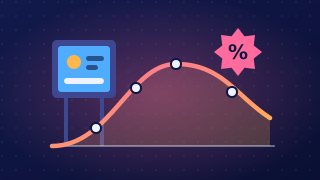
Price skimming is a pricing strategy where a business sets a high price when a product first launches, then reduces the price over time. The high price comes first, and the reductions follow — the opposite direction to price penetration.
How it works
It suits a product where demand at launch is expected to be very high, often because it is new or exciting and eager customers want it straight away. Those early buyers pay the top price. Other customers cannot afford it, or are not willing to pay it, so they hold back and wait for the later price cuts. The business still sells to them, just further down the line.
For example, a small firm launches the Aero camera drone at £620. It sells 4,500 units in the first two months to hobbyists who want one immediately. Six months later the price falls to £510, then to £430 the following year, picking up the buyers who waited.
Advantages
- A high price can make the product seem more desirable, and it helps maximise profits while demand is strongest.
- It creates a perception of quality and a premium image, which suits a product the business wants to look top of the range.
- Fewer products need to be sold at the high price to break even, because each sale brings in more money towards covering costs.
- Revenue and profit per sale are higher, so the business can recover its launch costs more quickly.
Disadvantages
- Rivals have plenty of room to come in cheaper. A competitor could bring out a newer product at a lower price and win over the customers who feel priced out.
- High prices may deter some customers altogether, so the business risks losing sales rather than gaining them later.
Practise this
Cambridge National Enterprise & Marketing · 4.10 Pricing strategies