Pricing strategies
Exam technique: skimming and penetration
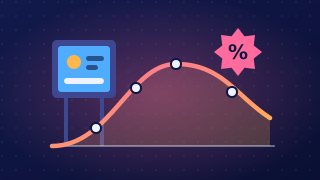
Price skimming and price penetration move in opposite directions, so keep them apart: skimming opens with a high launch price that falls over time, while penetration opens with a low launch price that rises.
| Strategy | Launch price | Price over time | Why a business uses it |
|---|---|---|---|
| Price skimming | High | Falls | To earn more per sale and create a premium image at launch |
| Price penetration | Low | Rises | To attract customers now and earn profit later |
How price skimming works
The high price at launch is the key feature: it makes the product seem desirable, gives it a premium image and brings in more revenue per sale, so fewer sales are needed to break even. A new board game launched at £38 and cut to £25 six months later is skimming — the £38 launch price and the quality image it signals are what matter, not the later cut.
How price penetration works
The low price attracts customers to try a new product or switch from a rival, which helps a new business become established. Because the low price holds profits down at first, any profit benefit is a long-term outcome: it arrives once customers stay loyal as the price is raised. A revision app launched at £1 a month and later charged at £4 is penetration.
The direction of the price is what separates the two strategies. A high price that drops is skimming; a low price that climbs is penetration. Calling skimming a low start, or penetration a high start, describes the wrong strategy.
Practise this
Cambridge National Enterprise & Marketing · 4.10 Pricing strategies