Factors to consider when pricing a product
Weighing up pricing factors
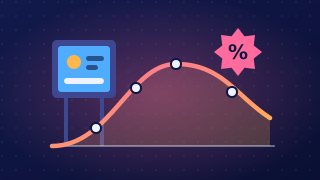
Weighing up pricing factors means deciding which influences matter most before choosing a price. The factors do not act separately: customer income and competitor prices shape what customers will pay, production costs set a minimum price, and lifecycle stage affects when and how the price should be adjusted.
In a particular start-up, some factors matter more than others. Weigh them against the business aims, target market, costs, competition and product stage, then explain your priority.
Prioritising the factors
| Situation | Factor likely to matter most | Why it shapes the price |
|---|---|---|
| Customers have tight budgets and affordability is the main issue | Income levels | A price above what customers can afford reduces the number willing or able to buy. |
| Competitors are numerous and products are similar | Competitor prices | Customers compare easily, so being too far above the market range can lose sales. |
| Costs are high or finance is limited | Cost of production | The price must cover costs, so costs set the minimum price the business can accept. |
| The product is new or declining | Lifecycle stage | A launch price can encourage trial, while a declining product may need a lower price to slow falling sales. |
A pricing decision is justified when it explains why the chosen factors were prioritised and how they influenced the final price. For example, a town-centre skateboard shop with three similar shops nearby may find competitor prices matter most: its price must sit close to the local market range to attract buyers. Production costs still set a minimum, and customer income shows whether that price is affordable, but the competitor comparison drives the final figure.
Practise this
Cambridge National Enterprise & Marketing · 4.9 Factors to consider when pricing a product