Selecting Cloud Platforms and Services
Free, paid, personal and business cloud services
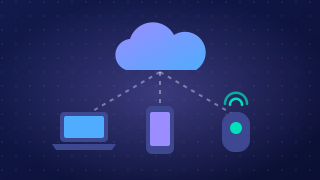
Cloud services are either paid for or free, and providers aim them at either personal users or businesses. The choice affects cost, features and the support you get.
Paid cloud services charge a fee, usually for each user. A small design studio might pay for every designer to use a cloud storage service. In return, you get more functionality, no advertisements, technical support, backups and regular updates. That support matters when a file is damaged and you need help quickly.
Free cloud services have no cost, but they usually offer limited functionality. They often show advertisements, and they usually offer no technical support, no backups and limited updates. A free cloud recipe book may be fine for saving a few family meals, but you cannot expect help or a backup if the recipes disappear.
Free and paid compared
| Feature | Free service | Paid service |
|---|---|---|
| Cost | None | Fee, usually per user |
| Functionality | Limited | Greater |
| Advertisements | Often shown | None |
| Technical support | No | Yes |
| Backups | No | Yes |
| Updates | Limited | Regular |
Personal and business services
Personal cloud services are aimed at individuals. They are usually free and supported by advertising, supplied as off-the-shelf packages, have limited storage and no data backup service. An off-the-shelf package is ready-made, so you cannot ask the provider to change how it works.
Business cloud services are aimed at organisations and must be paid for. They have no advertisements, can be customised, and their fees vary according to use. For example, adding more staff accounts or storing more files can raise the fee. They also offer high storage capacity and include data backup, so a business can store large numbers of files and recover them after a problem.
Practise this
Pearson BTEC Digital Information Technology · Selecting cloud platforms and services