Sales promotion techniques
Evaluating sales promotion
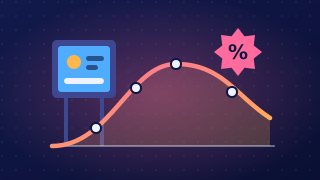
Sales promotion means short-term incentives to encourage a purchase. Because the offer is temporary, it often lifts sales for a short time only and can reduce the profit margin on each sale. Judge a promotion against its cost and the objective: did it create enough extra sales, new customers or awareness to be worth the money and effort?
Match the technique to the objective
Which technique helps most depends on what the business wants to achieve. If the aim is a quick sales boost, a discount or BOGOF can work because the better value encourages immediate buying. To raise awareness, a competition or sponsorship can put the brand in front of more people. A product trial lets customers test something before buying, while a loyalty scheme rewards repeat purchase and helps keep existing customers.
| Objective | Technique that can fit | Why it can help |
|---|---|---|
| Boost short-term sales | Discount or BOGOF | Better value encourages a quick purchase |
| Raise awareness | Competition or sponsorship | Attracts attention and exposes the brand |
| Encourage trial | Product trial | Customers can test before committing |
| Retain customers | Loyalty scheme | Rewards repeat buying |
For example, a garden centre runs a buy one get one free on bedding plants at the end of the season. It sells twice as many plants, but each pair brings in the price of only one, so the offer pays off only if the cleared stock and extra customers are worth the lost revenue.
Limitations to weigh up
Every promotion has a cost: prizes, free items, displays or sponsorship fees. A discount or BOGOF reduces the money received per sale, so extra sales may not mean extra profit. A poorly chosen offer can damage brand image, especially if customers start to see the product as cheap. Promotions are also limited in duration, and some customers take the offer and do not return afterwards. A pricing strategy such as psychological pricing is not a sales promotion.
Practise this
Cambridge National Enterprise & Marketing · 4.4 Sales promotion techniques