Factors to consider when pricing a product
Income levels of target customers
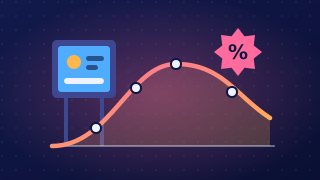
Income levels of target customers is about how much money the customers in your target market have available to spend. Customers can only buy what they can afford, so a price above their budget reduces the number of customers who are able and willing to buy. A higher price can also shrink the target market by excluding customers on lower incomes.
Income affects how customers judge value. A £30 personalised water bottle may look reasonable to a group with more spare money, but expensive to a group with less. Same product, same price, different reaction. Before choosing a price, a start-up should research or estimate the income profile of its target customers, for example by looking at the area it sells in or asking potential customers what they can afford. Age alone tells you little about affordability; the useful question is what income customers have available.
Lower-income target customers
If your customers have less money available, a lower price or a clear value offer may be needed. A value offer makes the price feel worth it, such as a refill pack, a bundle or a simple version with fewer extras. Example: a start-up selling revision stationery to students might offer a £4 basics pack rather than a £12 deluxe set.
Higher-income target customers
If your customers have more money available, a higher price may be acceptable, but only if the product's quality and value support it. Example: a start-up selling handmade leather phone cases to office workers could charge £40 if the stitching, packaging and personalisation clearly feel premium. The price must still match what that group expects.
Practise this
Cambridge National Enterprise & Marketing · 4.9 Factors to consider when pricing a product