Importance of cash
Severe cash shortage
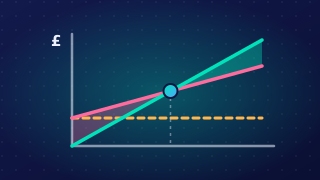
A severe or continuing lack of cash means a business does not have enough cash to pay what it owes, and the problem is not just a temporary shortage. If it continues, the business may not be able to carry on trading.
A serious consequence is insolvency. This means the business cannot pay its debts as they fall due. For example, a small T-shirt printing business owes its blank T-shirt supplier £2,000 today but has only £300 in the bank. It cannot pay, so it is insolvent.
Insolvency can lead to liquidation. The business’s assets, such as printing equipment and stock, are sold to pay debts, and the business is closed. For an individual owner such as a sole trader, bankruptcy is a legal process that can follow when debts cannot be paid. The business may also close, or be forced to stop trading. People or businesses owed money can take legal action to recover it, which can lead to liquidation or bankruptcy.
| Term | What it means |
|---|---|
| Insolvency | Cannot pay debts as they fall due |
| Liquidation | Assets sold to pay debts; business closed |
| Bankruptcy | Legal process for an individual owner who cannot pay debts |
| Closure | Business stops trading, sometimes because it is forced |
These outcomes are more serious than a temporary cash problem. They can happen when the business has no realistic way to pay its running costs, debts or suppliers. Insolvency is not the same as making a loss: it is about being unable to pay debts as they become due.
Practise this
Cambridge National Enterprise & Marketing · 3.5 Importance of cash