Importance of cash
Financial consequences of a lack of cash
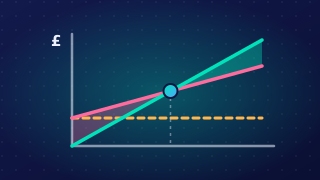
A cash shortage can cost a business more than the payments it delays. If it pays a lender or supplier late, it may be charged a penalty or an additional charge, such as a late-payment fee. That extra cost has to be paid too, so it uses up cash and makes the shortage worse.
Why repeated late payments matter
Paying late again and again can damage a business's credit rating. This is a score based on how reliably the business has paid money it owes, and lenders use it to judge how risky lending to that business would be. A poor rating makes borrowing harder, or more expensive, because lenders may charge higher interest to cover the risk. For example, a bakery pays a flour supplier £600 ten days late and is charged a £45 fee. If this happens often, a bank may refuse its loan for a new oven or offer it at a higher interest rate.
Actions a cash shortage can force
To ease a cash shortage, a business may have to act: it can borrow more or sell assets to raise funds, or cut costs to reduce spending.
| Action | Effect on cash | Drawback |
|---|---|---|
| Borrow more | Brings cash in now | Must be repaid, often with interest |
| Cut costs | Reduces spending | Can affect quality or customer service |
| Sell assets | Raises cash | The business no longer owns the asset, such as a delivery van |
These are difficult financial decisions because each one brings cash in or saves cash now but creates a drawback later. The shortage pushes the business into choices that affect its future finances, not just its ability to make a single payment.
Practise this
Cambridge National Enterprise & Marketing · 3.5 Importance of cash