Shared Data
Shared data
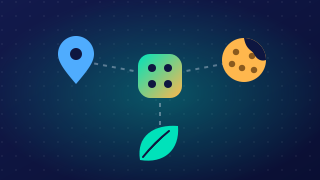
Shared data is data made available to more than one service, organisation or purpose. It can include location-based data, transactional data, cookies and data exchanged between services. Organisations collect, use and store huge amounts of data, so they must manage how it is used, who it is shared with and how it is eventually disposed of.
Benefits of sharing data
Sharing lets services give you more relevant information, adverts, updates and recommendations. An organisation can also use shared data to improve what it offers: spotting popular services or options, common customer issues, busiest times and where a new service or location is needed.
For example, a sports centre shares its booking data with its café, equipment-hire desk and coaching team. The bookings show that badminton courts are busiest on weekday evenings and that junior coaching fills up quickly, so the centre runs more junior sessions. The same data lets the café staff up before busy evenings and lets the centre email a member a reminder about a booked session and suggest a quieter time to use the pool.
Risks
Sharing data increases privacy and security risks because personal data may be exposed or misused. Once data has been passed on, the organisation that collected it has less control over it. Users can be tracked across the internet, and their location can be revealed if they do not control their privacy settings. A free puzzle game that shares your device's location with advertisers, for instance, could let those advertisers work out which shops and venues you visit.
Managing shared data
Responsible use means weighing the benefits against the risks and looking after data throughout its life. That includes disposal: when staff replace old laptops or phones, the devices must be wiped or destroyed before they leave the organisation, because they can still hold customer records. Sharing data is only responsible when there is a clear purpose, people's information is protected and the organisation can justify why it is needed.
Practise this
Pearson BTEC Digital Information Technology · Shared data