Protocols
TCP/IP
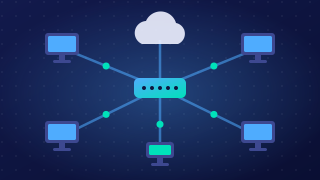
TCP/IP is a pair of protocols that work as a team to carry data between devices. The internet is built on them: every web page, email and file you receive arrives because TCP and IP work together. TCP (Transmission Control Protocol) breaks data into packets and makes sure every packet arrives, while IP (Internet Protocol) deals with addresses and works out the route to the destination.
TCP: splitting and checking
TCP takes the data being sent and divides it into chunks. Each chunk is placed inside a packet: a small piece of the data plus extra information, such as the packet number and the source and destination addresses. The numbering matters because packets can arrive out of order.
At the receiving end, TCP checks that every packet has arrived and that none are damaged. If a packet is missing or damaged, TCP asks for it to be sent again. Once everything is present, TCP rebuilds the original data by reassembling the packets in sequence.
IP: addressing and routing
IP labels every packet with the source and destination IP addresses, so the network can see where it came from and where it is heading. Routers read the destination address on a packet and forward it on towards that destination, possibly along a different route from other packets in the same file.
For example, a 40 MB recording of the school concert is split by TCP into numbered packets. Packets 6 and 19 go missing, so the receiver asks for them again. When they arrive, TCP reassembles everything in number order, while IP has made sure each packet found its way to the right computer.
TCP/IP is the right choice when data must be split into packets, checked on arrival and routed across networks to the correct destination.
Practise this
OCR GCSE Computer Science · Protocols