Protocols
Network Layers
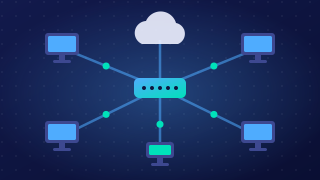
A layer is one division of the job of communicating over a network. Instead of one huge set of rules doing everything, the work is split into parts. Each layer takes charge of one stage and groups together the protocols that carry out that stage, so a protocol belongs to a single layer only.
The layers are stacked, and each layer provides a service to the layer above it and uses the services of the layer below. Think of a group project: one person draws the poster, another prints it and another hands it out. Each person does one task and relies on the work passed to them.
Going down, then up
When data is sent, it moves down the stack inside the sending device. At each layer, that layer adds its own small piece of information, such as a label saying how the data should be handled. The data arrives at the receiving device and travels back up. Each layer reads the information put there by its matching layer on the sender, uses it, and strips it off before passing the rest upwards.
| Direction | What happens |
|---|---|
| Data sent | Data passes down the layers; each layer adds its own information. |
| Data received | Data passes up the layers; each layer uses and removes its own information. |
Each layer is self-contained: it handles its own task and works without needing to know what the other layers are doing.
The four-layer TCP/IP model is a common teaching example of layers in action, with data passing down and up it as each layer adds or removes its own information. What matters is that pattern of adding and removing, not the name or job of each individual layer.
A layer is not a cable or a device. It is a division of network functionality.
Practise this
OCR GCSE Computer Science · Protocols