Impact of AI
Legal Impact of AI
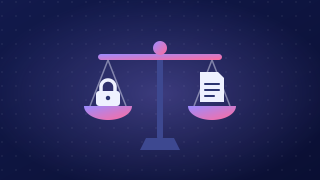
Artificial intelligence does not have its own set of laws. Laws written for everyone still apply to AI, but two things make this awkward: laws are written slowly and lag behind what AI can do, and different countries take different approaches, so a feature one country restricts may be allowed in another.
Copyright of training data and of AI output
Copyright protects creative work such as writing, pictures and music, and gives the creator control over how it is copied and used. Two questions about AI are disputed. First, whether it is lawful to train an AI on other people's work without their permission: a small furniture maker might find that its measured drawings of chair parts were used to train a design tool that now produces similar cutting plans. Second, nobody has settled who owns work an AI produces: the person who gave the instructions, the company that made the tool, or no one at all. Because the law has not caught up, such cases end up argued in court.
Existing laws still apply to AI
| Law | How it already applies to AI |
|---|---|
| Data Protection Act | AI that handles personal data may use it only for the purpose for which it was collected, collect no more than is needed, and keep it secure. A bus company's AI sorting complaints may use passengers' names and phone numbers to reply to them, but not to build marketing profiles. |
| Computer Misuse Act | A coach uses an AI tool to flood a rival club's booking website with fake requests, so real members cannot book courts. That is an unauthorised act intended to impair the operation of a computer, and it is a crime whether or not AI helped. |
| Fraud and harassment laws | An AI that writes fake reviews to trick people into paying for a course is being used to commit fraud; an AI that sends a stream of abusive messages is being used to harass. |
The Data Protection Act does not stop AI using personal data; it controls how it is used. In the same way, misuse of AI is illegal because of the harm it does, not because AI itself is banned.
Practise this
OCR GCSE Computer Science · Impact of AI