Impact of AI
Cultural Impact of AI
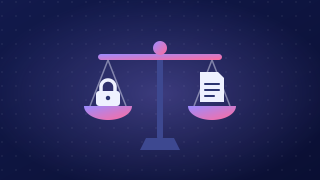
AI is part of everyday culture now: it changes how people work, how they learn, what counts as creative work and how they find things out. Because it changes habits rather than just tools, its effects reach people who never chose to use it.
Work, learning and creating
In work, AI takes over routine parts of a job, such as counting stock on a shelf or predicting how many lunches to prepare, so staff can spend longer on the parts that need judgement. That can make a small team feel bigger, but it changes which skills are valued.
A museum tablet that changes how much it explains about an exhibit based on a visitor's questions helps people learn at the right level, and text read aloud in a natural voice helps people who find print difficult.
Creative work raises harder questions. A community pantomime that once paid a choreographer to create a routine can now use a tool that suggests steps from a style and tempo for very little, so the cast perform a routine made without a choreographer. Nothing is obviously copied, but it asks what human creativity is worth and puts pressure on the people who earn a living that way.
Trust, reliance and access
Convincing false content is cheap to make. A generated review of a bowling alley can claim its lanes are unsafe and spread through local groups in an afternoon, and when the owner posts genuine safety certificates some customers doubt those too, so trust in all online content weakens.
There is also a risk of leaning on AI too heavily. If a tool always works out how much paint a room needs, new decorators never learn to measure walls and cannot spot a wrong estimate, and an AI answer about charity volunteering rules can be confident but wrong, so answers that matter still need checking. Skills fade when they are never practised.
Access is uneven too. Paid tools, fast broadband, spare devices and confidence all vary, and many tools work best in English, so some people gain a head start while others fall further behind.
Practise this
OCR GCSE Computer Science · Impact of AI