Impact of AI
Environmental Impact of AI
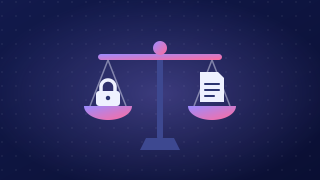
Artificial intelligence is software, but it runs on physical computers. Training a model and then using it both need electricity, and the longer and more often the computers work, the more electricity is used.
That electricity has to be generated. The carbon footprint is higher when the power comes from coal or gas and lower when it comes from wind, solar or hydro. The machines also get very hot, so cooling them uses large amounts of water as well as electricity.
AI needs hardware too. Chips and servers contain metals and other materials that must be mined, and when equipment is replaced it becomes e-waste, which can pollute soil and water if it is not recycled safely. AI can even speed up replacement: if a feature only works on the newest phone, some people upgrade sooner than they need to. If it runs on older phones, devices stay in use for longer and fewer new ones are needed.
Where AI can reduce harm
A water company can use AI to spot the pattern of pressure changes that comes before a pipe bursts, so leaks are repaired early and less water is lost. A recycling plant can use AI to recognise different plastics on a conveyor and sort them, so more material is reused instead of being made from scratch. A school canteen can forecast how many meals it will sell each day, so less food is cooked and thrown away.
These gains are not automatic. A forecasting model uses electricity itself, but if it saves many meals each week the net benefit can be large. Whether AI helps or harms the environment depends on what it is used for and how much computing it needs.
Practise this
OCR GCSE Computer Science · Impact of AI