Wireless Connections
Wireless Connections
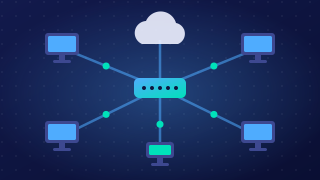
Wireless connectivity means connecting a device to a network without a cable. Data is carried through the air as radio waves, so a device can join as long as it is within the signal range and has the network credentials — there is no lead running from the device to a socket or switch.
Advantages of going wireless
- Mobility: users can move around and stay connected anywhere within the signal range. A librarian with a tablet can check stock in any aisle, and a student can carry a laptop between classrooms without unplugging anything. A cable ties a device to one spot.
- Easier to add users: a new device joins by being given the network name and password, so it is ready in seconds, provided it is within range. You do not have to run a new cable to a spare port each time someone joins. For example, a youth club that buys six extra tablets can add them all to its network on the same afternoon.
- No cabling: there is no cable to buy, fit or repair, which keeps installation simpler and cheaper, especially in an old building where walls cannot easily be chased out. It also removes cables trailing across floors, so there are no leads for people to trip over.
These benefits explain why phones, tablets and laptops are almost always wireless, while equipment that never moves can often be left on a cable.
Practise this
Edexcel GCSE Computer Science · Wireless Connections