Intellectual Property
Patents
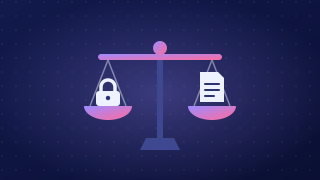
A patent protects an invention, such as a new device, machine, process or technical method, including hardware inventions. If you come up with a new piece of technology or a new technical way of doing something, a patent is the protection that fits. Copyright covers creative works such as software, but it does not protect an invention.
What a patent gives you
A patent gives the owner the exclusive right to make, use or sell the invention. Anyone else who wants to do any of those things needs the owner's permission, which could be given through licensing.
For example, imagine you design a robotic arm for a garden centre that sorts bulbs by gently weighing each one. Without a patent, a rival firm could build and sell copies of your arm and you might earn nothing from your work. With a patent, you can stop them, or charge them a fee before they use your design.
How an invention gets a patent
A patent is never automatic. The inventor must apply to a patent office and pay fees, and the application is examined before a patent is granted. To be granted, the invention must be:
- new – it has not been made public before, even in a single online article;
- an inventive step – not an obvious change to something that already exists, such as selling an existing torch in a different colour;
- capable of industrial use – it can really be made and used by a business.
Time in exchange for knowledge
A patent lasts for a limited period, normally up to 20 years as long as the renewal fees are paid, after which anyone may use the invention. In return for that protection, the details of the invention are published, so a patent does not keep your idea secret: it protects the invention in exchange for making the technical knowledge public.
Practise this
Edexcel GCSE Computer Science · Intellectual Property