Intellectual Property
Intellectual Property
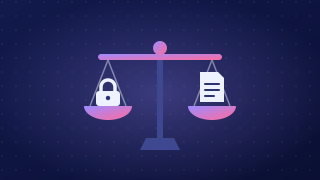
Intellectual property (IP) is a creation of the mind — an invention, a design, a brand identity or a piece of software — that the law treats as belonging to the person who made it. IP is not a physical object: it came from someone's ideas and effort, so the law gives the creator rights over it. The creator can decide how the work is used and take action against anyone who uses it without permission.
IP has financial value. It can be bought, sold, licensed or transferred to a new owner, just like a physical asset. A small studio that writes a popular game owns something valuable even though the game is only files on a server: another company might pay to buy the rights, or pay a fee to use them.
Why protecting IP matters
Protection gives creators a reason to keep making things. If anyone could copy your work and sell it, you could not earn from the time you spent building it, and companies would be unwilling to invest in new products. Protection also lets an owner defend their reputation, so a name that customers trust cannot be used by someone else on poor-quality goods.
Methods used in computing
| Method | What it protects |
|---|---|
| Copyright | Original creative work, including software and its code |
| Patents | Inventions such as new devices or technical processes |
| Trademarks | Names, logos and slogans that identify a company |
| Licensing | Permission to use software, on conditions the owner sets |
One product can be covered by more than one method at once. In an online revision app, for example, the code is protected by copyright, the app's name can be a trademark, and a new method of marking answers could be patented. A copy you download is used under a licence: it grants permission to use the software on the owner's conditions while ownership stays with the creator, so it does not give you the work itself.
Practise this
Edexcel GCSE Computer Science · Intellectual Property
Edexcel GCSE Computer Science · Software Licences
Edexcel GCSE Computer Science · Computer Misuse Act