Impact of AI
Accountability
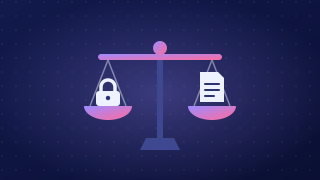
Accountability means being answerable for the actions, decisions and effects of an AI system, machine learning model or robot. It is not about the computer taking the blame: a program cannot be held responsible in the way a person can, so the people and organisations behind it must remain accountable.
Why responsibility is hard to pin down
Responsibility is often spread across several groups: the designers who decide what the system should do, the programmers who build it, the manufacturers who make the hardware, the operators who run it day to day, the owners who buy it, and the users who rely on its output. Each may affect the result, so it can be unclear who should answer when something goes wrong.
For example, a council puts an AI chatbot on its website to answer residents' questions about bin collections. If it gives hundreds of households the wrong collection day, several groups played a part: the supplier whose software was chosen, the programmer who linked it to the timetable, the staff meant to check its answers and the managers who approved it going live. Saying "the AI did it" explains nothing and leaves nobody answerable.
How accountability is supported
- Keeping records of inputs, outputs, training data and who approved a system makes it possible to trace what happened and who was involved.
- Explaining decisions means the organisation can say why a result was produced, rather than hiding behind an unexplained score or recommendation.
- Human oversight puts a person in charge of reviewing important decisions and able to override or stop the system.
- Independent auditing uses people outside the organisation to inspect how the system behaves and report problems.
Keeping AI decisions open to scrutiny matters because errors, bias and harm can then be found and corrected. If decisions are secret or impossible to inspect, unfair patterns and mistakes can continue unnoticed. Accountability therefore gives people a route to challenge a decision and makes an organisation responsible for putting things right.
Practise this
Edexcel GCSE Computer Science · Impact of AI