Potential rewards and drawbacks for risk taking
Rewards and drawbacks of risk-taking
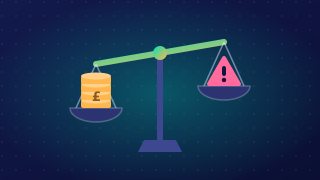
Taking a risk in business means doing something where the result is uncertain. For the entrepreneur who takes it, a risk can bring rewards (positive outcomes) and drawbacks (negative consequences). Both are about the effect on the person, not just a general business problem.
The four reward categories
- Financial reward: the owner gains money, such as profit or a higher income.
- Independence: the owner is in charge of decisions and working hours.
- Self-satisfaction: the owner feels proud or fulfilled by building and running the business.
- Making a difference or change: the business creates a positive change for customers, a community or a cause.
Three of these are non-financial, and they can matter as much as money. The owner of a small plant-pot painting kit business might value choosing their own designs and hours as highly as extra profit.
The four drawback categories
- Financial difficulty: the owner loses money or income, or struggles with debt.
- Poor health and wellbeing: worry and pressure affect the owner's mental or physical health.
- Difficult work-life balance: work takes up too much time and leaves little time for rest or leisure.
- Damage to personal relationships: long hours or stress harm relationships with family and friends.
A drawback must be a consequence for the entrepreneur. Low sales are a business problem; they become a drawback when the owner cannot pay themselves and feels anxious. Setting up a website is a task, not a drawback.
Rewards and success
Rewards also help measure success. The plant-pot kit owner may feel successful once a local school buys kits for its craft club, because they have made a change for their customers, even if profit is small. That personal reward shows success from the owner's point of view, not only in money.
Practise this
Cambridge National Enterprise & Marketing · 1.2 Potential rewards and drawbacks for risk taking