Revenue generated by sales of the product
Revenue
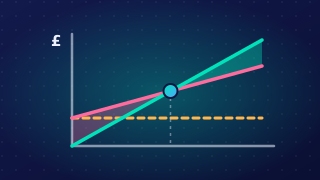
Revenue is the income an enterprise receives from selling its products or services — the money coming in from customers. Sales revenue is the total revenue generated by selling a product or service, before any costs are taken away.
For example, you charge £9 a walk for a weekend dog-walking service. Completing 25 walks in a month gives sales revenue of £225 (25 walks at £9 each), because that money comes straight from selling the service.
Revenue is not profit
Profit is what is left after the costs of running the enterprise have been taken away, so revenue is income before any costs are deducted. Your revenue is £225; if leads, treats and insurance cost £70 that month, the profit is £225 − £70 = £155. Revenue stays at £225 whatever those costs are, and an enterprise with high revenue can still make a loss if its costs are higher than its revenue.
| Revenue | Profit | |
|---|---|---|
| What it measures | Income from sales | Money left after costs |
| Are costs subtracted? | No | Yes |
| Can it be negative? | No, it is income from sales | Yes, a negative profit is a loss |
Costs are not subtracted from revenue
When you work out revenue, use only the money from sales. If you are given cost figures, such as how much each item cost the enterprise to buy, leave them out: they are not part of revenue and belong in a profit calculation. Taking the £70 of costs away from the £225 gives profit, not revenue.
Practise this
Cambridge National Enterprise & Marketing · 3.2 Revenue generated by sales of the product
Cambridge National Enterprise & Marketing · 3.3 Profit/loss
Cambridge National Enterprise & Marketing · 3.5 Importance of cash