The Internet
Disadvantages of Cloud Computing
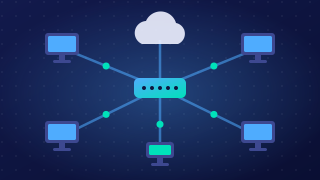
Cloud computing has drawbacks as well as benefits. These disadvantages come from relying on an internet connection, on a provider and on a subscription, and from handing control of your data to a third party.
Connection and speed
Cloud services need an internet connection. Without one, you cannot reach files that are only stored in the cloud, or use software that runs on the provider's servers. A slow connection also makes cloud services slow, because how quickly you can open and save files depends on your connection speed. For example, if you open a cloud file on a train with a weak mobile signal, saving it may lag or fail.
Cost and provider dependence
Cloud services often charge a subscription, paid monthly or yearly. Over time this can cost more than buying a local alternative once. You also depend on the provider: if their service goes down, changes its prices or terms, or closes, you are affected and cannot fix it yourself.
Control, security and access
A third party holds your data, so you have less control over it and less privacy. You may not control who can access it, may have concerns over who owns it, and may not know where in the world it is stored. Data held in another country can fall under different data protection laws, and the provider could misuse it. Cloud data can also be hacked, stolen, intercepted or hit by malware.
You may lose data or lose access to it, with no control over backups, and it may not be retrievable. Storage may be limited by your plan.
You must also manage login details, which can be forgotten or lost, and you may need training to use the service properly.
"Less secure" on its own is too vague a drawback: the real issues are the lack of control over security, access, backups and where the data is stored.