Software Licences
Drawbacks of Open Source Software
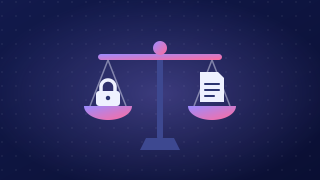
Open source software is usually free and anyone can change it, but the way it is shared and developed brings drawbacks. Some affect the people using the software, and others affect the people who wrote it.
Drawbacks for the user
Support usually comes only from the community. There is rarely a help desk or phone line, so when a feature will not work you search forums and hope another user has hit the same problem. On a small project, nobody may answer for days.
Quality and documentation vary, because projects are run by volunteers or by people fitting them around other work, not by a company paid to polish them. A tool released by an experienced team may be excellent, while another is half-finished with a manual that skips the installation steps.
Updates depend on volunteers. If the people maintaining a project lose interest, it can be abandoned, so bugs and security fixes never arrive. A bakery's online order page that relies on a small open source form tool could stop receiving fixes once its maintainer moves on.
Setting it up can need more technical skill. Some packages arrive without an installer, so you copy files into the right folder or edit a settings file by hand, and altering how the program behaves means working with the source code.
It may also be less compatible with popular proprietary formats. Opening a design file created in a commercial package can rearrange the layout, and exported documents may look different on someone else's computer.
Drawbacks for the developer
Open source software can still be sold, but earning money from copies is difficult: once one person has it they can pass it on free of charge, so a price per copy rarely works. Some developers instead charge for support, training or setting it up.
Anyone can copy the code, including competitors. A two-person team who write a climbing-wall route planner may find a larger company reuses their code inside its own product, which the licence permits.
Practise this
OCR GCSE Computer Science · Software Licences