Impacts of digital technology on society
Ethical Issues
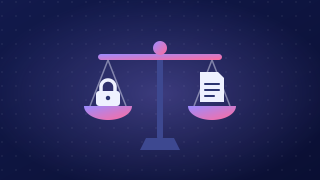
An ethical issue is a question of whether something is fair, right or wrong. It is not the same as a legal issue: something can be allowed by law and still be unfair or harmful. For example, a delivery company may be within the law when it fits its vans with trackers that time every stop, but many people would say it is wrong to watch drivers so closely that they feel unable to take a proper break. The law allows it, yet it still affects people's lives, so it is an ethical question.
Automation means using machines to do work that people used to do. A warehouse might install machines that sort parcels automatically. This can save the company money and speed up deliveries, but the people who used to sort parcels may lose their jobs. New jobs are created, such as engineers who maintain the machines, but they need different skills. The same workers cannot automatically move into them, so retraining matters. Automation therefore affects employees, employers and the wider economy in different ways.
Deciding who is responsible can also be hard when a technology makes a harmful decision. If a bank's automatic fraud check freezes a family's account by mistake and they cannot buy food, who is answerable: the programmer who wrote the rules, the bank that installed the system, the staff who set the risk level, or the company that supplied the software? The law may not yet say clearly, which makes it an ethical question: who should be answerable, and how can the harm be put right?
The working conditions of the people who mine materials and make devices are another ethical concern. A cheap phone may depend on low pay, long hours or unsafe conditions in another country. Buyers, manufacturers and governments all have choices about whether to accept this, which is why it is an ethical issue and not only an economic one.
Practise this
OCR GCSE Computer Science · Impacts of digital technology on society
OCR GCSE Computer Science · Impact of AI