Impacts of digital technology on society
Discussing the Impact of Technology
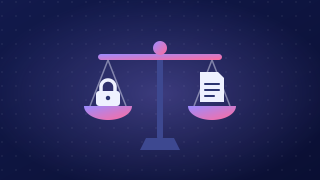
Digital technology changes how people live, work, learn, shop, communicate and are governed. Almost every change helps one group while causing problems for another, so impact is discussed by weighing both sides rather than calling a technology good or bad.
Five kinds of issue
Any technology can be examined through the same five lenses, and one technology often raises several at once.
| Issue | Question it asks |
|---|---|
| Ethical | Is it right or wrong, even if it is allowed? |
| Legal | Does it break a law? |
| Cultural | How does it change the way people live? |
| Environmental | What does it do to the natural world? |
| Privacy | Whose information is collected, and who can see it? |
Examples to have ready
- Smartphones and social media: instant contact across the world, but less face-to-face time.
- Online shopping and banking: convenient at any hour, while some shops and bank branches close.
- CCTV and facial recognition: helpful for solving crime, but they record people who have done nothing wrong.
- Electronic tracking: a courier firm plans tighter routes and gives customers accurate arrival times, while drivers may feel watched for a whole shift.
- Delivery drones: they cut van journeys and pollution, but film gardens as they fly over and take trade from local shops.
Who is affected
Always name the group and explain the effect on it: users and customers, the organisation running the technology, its employees, government and regulators, the people whose data is collected, who may never have chosen to use it, the wider public, and people in other countries. One change can benefit one group while harming another.
Building the discussion
Paper 1 has one 8-mark question on this topic, marked for the quality of your reasoning rather than one mark per fact. Take each area the question names in turn: make a point, explain its effect on a named group, then give the opposite side so both benefits and drawbacks appear. Finish with a conclusion that follows from your argument, such as accepting the technology only with a safeguard attached. Headings or a short table keep you organised, but tie every point to the scenario.
Practise this
OCR GCSE Computer Science · Impacts of digital technology on society
OCR GCSE Computer Science · Environmental Issues
OCR GCSE Computer Science · Impact of AI