Implications of Choosing Cloud Technologies
Disaster recovery
Disaster recovery is the planning and the systems used to restore data and keep an organisation working after an attack or a disaster, such as a fire, flood or theft.
Before an organisation chooses a cloud service, it should read the provider's disaster recovery policy. This policy should show how often data is backed up, where those backups are kept, and how quickly the service and the data can be restored after a failure. The organisation then has to judge whether those arrangements suit its own needs. A business that could cope with losing a day of orders has different needs from one that must be taking orders every minute, so the backup frequency and recovery times in the policy matter.
Backups held away from the site
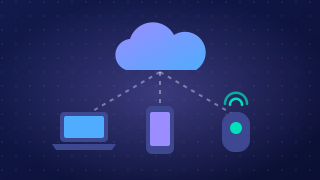
Cloud backups are normally kept in the provider's data centres, well away from the organisation's own buildings. If the organisation's premises are damaged, the backups are not destroyed with them. For example, Harbour Lane Bakery stores its customer orders in a cloud service. A burst pipe ruins the office and its computers, but the order records are still held in a data centre 200 miles away, so the bakery can carry on trading as soon as replacement equipment arrives. Cloud services therefore reduce the harm to an organisation's data when its own premises are hit by an attack or disaster.
The organisation's own policy
The organisation still needs its own disaster recovery policy. That policy explains how staff keep working and how data is recovered if the cloud service becomes unavailable. Who backs up which data, and who restores it afterwards, should be agreed with the provider before the service is chosen, so that each side knows exactly what it must do when something goes wrong.
Practise this
Pearson BTEC Digital Information Technology · Implications of choosing cloud technologies