Implications of Choosing Cloud Technologies
Cloud downtime
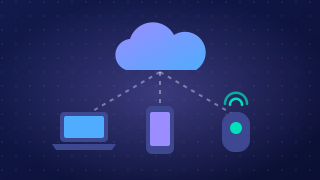
Downtime is when a cloud service is unavailable to the people who need to use it. During downtime, users cannot open files, save work or use the features of the service until it is working again.
What causes downtime
Downtime can happen for several reasons. A system update may take the service offline while software is changed or improved. A cyberattack, such as one that floods the service with traffic, can stop it responding. A lost internet connection at the organisation's end also causes downtime for its users, even if the provider's service is running normally.
The provider decides when maintenance and updates take place. This means downtime can happen at a time the organisation cannot control, such as during its busiest period. For example, a dog-grooming salon that keeps its appointments in a cloud diary might find the service offline for an update on its busiest Saturday, so the groomer cannot check which dogs are booked in and owners cannot book a slot.
Why short downtime matters
Even a short outage can seriously affect an organisation that relies on the service. Staff may be unable to do their work, and customers may be unable to use the service, so sales or bookings can be lost.
Being available at all times is not a benefit of maintenance. Maintenance is about updates and fixes, and it can actually cause downtime. Availability is a separate benefit of cloud services.
Practise this
Pearson BTEC Digital Information Technology · Implications of choosing cloud technologies