Legislation
Consequences of not meeting legal obligations
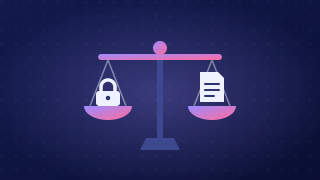
Breaking a legal obligation is not just a matter of bad publicity; it can affect a business's money, staff and customers at the same time.
Fines and legal action
If a business fails to meet its legal obligations, it may face fines and other legal penalties. It could also be ordered to pay compensation to someone harmed by its actions, and in serious cases the owners or managers may face prosecution. Repeated or very serious breaches can lead to closure, which means the business stops trading.
Reputation, staff and sales
Bad news spreads quickly. A business known for breaking the law can suffer damaged public relations and a poor reputation, so customers may choose to shop elsewhere. That can mean lost sales now and lost future custom as people remember and tell others. Inside the business, staff can become demotivated if they feel rules are ignored or they are treated unfairly. Demotivated staff may work less effectively, which reduces productivity and can harm customer service.
Short-term and long-term
Some consequences appear quickly, such as a fine, a court case or a compensation payment. Others last much longer, such as a reputation that is hard to rebuild, staff who no longer trust the business, or customers who never return. Meeting legal obligations can also have short-term and long-term effects: paying for training or safer equipment may be an immediate cost, while staff who feel protected may become more motivated over time.
For example, a small garden furniture company that ignores health and safety rules might be fined and have to pay compensation after an accident. In the short term, that is a large unexpected cost. In the long term, local customers may avoid the company and skilled staff may leave, so sales and productivity both fall.
Practise this
Edexcel GCSE Business · 1.5.3 Legislation and business