Software Licences
Software Licences
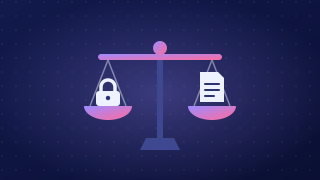
A software licence is a legal agreement that sets out how software may be used, copied, modified or distributed. When you install or use a program, you accept its licence, which states what you are and are not allowed to do with it.
Licensing protects intellectual property
Licensing is a method of intellectual property protection. It controls who is allowed to use software and the terms on which they may use it, so the creator keeps control of their work and can earn money from it or take action if someone ignores the terms.
For example, a small theatre group buys a ticket-booking program. The licence allows it on up to five office computers, so installing it on a sixth machine, or passing the installer file to another group, breaks the agreement even though nothing technical prevents it. The theatre group is in the wrong legally.
A legal control, not a technical one
A licence is a legal control. Passwords, firewalls and anti-malware are technical security measures: they use technology to block access or an attack. A licence does not physically stop anyone copying files. Instead it sets out what is permitted and gives the owner the right to take action against someone who breaks the terms. Licensing is therefore a completely different kind of protection from a firewall, and a licence is a permission granted by the copyright holder rather than the copyright itself.
Two models
The two main licensing models are open-source and proprietary, and they grant very different freedoms over the software and its source code. Whichever model is used, the software still has a licence and is still protected by copyright; some licences simply allow a great deal more than others.
Practise this
Edexcel GCSE Computer Science · Software Licences