Impact of AI
Impact of AI
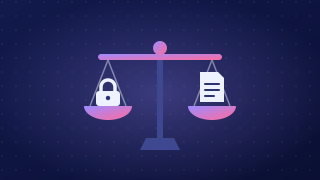
Artificial intelligence, machine learning and robotics bring real benefits, but each one must be weighed against the ethical and legal risks it creates. What matters is whether the gain is worth what it puts at risk.
Benefits
- Efficiency — a machine learning system can sort a thousand insurance claims in the time a person sorts twenty, so the work is faster and cheaper.
- Consistency — a machine-vision grader on a fruit farm sorts the ten-thousandth apple of the day as carefully as the first.
- Constant operation — software needs no breaks, so a chatbot can answer at 3 a.m.
- Safety — a drone can inspect a crumbling chimney instead of a person climbing it.
Weighing the risks
A fast system can be unfair just as fast, so algorithmic bias can treat a whole group of people worse. A system running with nobody watching raises questions of accountability and legal liability: who answers for a mistake, and who pays for the damage? A system meeting a situation nobody planned for is a safety risk. A computer cannot be blamed or taken to court, so responsibility falls on people and organisations.
For example, a council fits cameras and machine learning to its bin lorries to spot households that sorted their rubbish wrongly and fine them. It saves staff time and checks every street the same way, but a misread camera could fine the wrong household, and the people who set the system up must answer for that. Those risks must be judged worth it before it is switched on.
Why the rules may have to change
Laws are written for situations that already exist, but AI and robotics create situations the rules never covered. Traffic law assumes a person is driving, so a driverless delivery pod on a pavement does not fit, and an automated decision may not be explainable in the way rules of evidence expect. Laws and regulations may therefore need to change — on testing before use, on who must explain a decision, and on who is liable when an autonomous machine harms someone. Something can be legal and still be unethical, so following the rules is not the whole test.
Practise this
Edexcel GCSE Computer Science · Impact of AI