Impact of AI
Algorithmic Bias
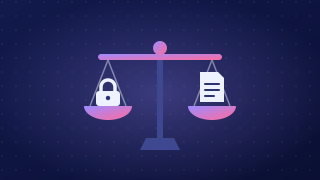
Algorithmic bias is a systematic unfairness in the output of a computer system that favours or disadvantages a particular group of people. The computer is not being deliberately prejudiced — it has no opinions — but the pattern it has learned, or the way it was built, gives results that are consistently skewed against or in favour of one group.
Where the bias comes from
- Training data that is incomplete, unrepresentative or based on past prejudice. A voice assistant trained mostly on adult recordings from one region may mishear young children or people with other accents, so it works worse for them.
- Poor design. A motion-sensing game tuned to adult arm movements may miss a smaller player's gestures, so the game does not respond for them.
- Unconscious bias of developers. The people building the system decide which factors count as important, and their own assumptions can slip in — say, treating a fast-moving player as a skilful one, which rewards players who move quickly and disadvantages those who play carefully.
Feedback loops
Bias often gets worse over time. Suppose a library reading app gives prizes to pupils who log books online. A pupil with no internet at home cannot log books, so gets no prize, loses interest and logs even fewer books; the app concludes they are a reluctant reader and offers them fewer rewards. This is a feedback loop: biased outputs shape the future data or decisions the system learns from.
Why it matters
Algorithmic bias leads to unfair decisions, discrimination and unequal treatment, and it causes a loss of trust — once people suspect a system is unfair, they stop believing its results even when it gets things right. Bias can affect any group, not only groups defined by gender or ethnicity: age, disability, income, language, location or a health condition all count. A chatbot that only understands formal English may give less help to pupils who use regional slang, so it is biased by language and location just as surely as a system that treats one ethnicity differently.
Practise this
Edexcel GCSE Computer Science · Impact of AI