Software Licences
Software Licences
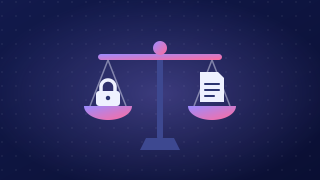
A software licence is a legal agreement between the software owner and the user. It states what the user may and may not do with the software, so both sides know exactly what is allowed.
Software is protected by copyright as soon as it is written. That means other people cannot legally copy or use it unless the owner gives permission. The licence is how that permission is given while the owner keeps control.
What a licence can set
A licence can include conditions such as:
- how many devices the software may be installed on, for example a recipe-planning program licensed for one kitchen tablet;
- how many people may use it, such as a youth theatre group whose licence lets ten helpers log in;
- how long it may be used, for example a one-year licence for a holiday club's booking system;
- whether copying, modifying or passing it on to someone else is permitted.
Permission, not ownership
Buying or downloading software gives you permission to use it under the licence. It does not give you ownership of the software itself, so you cannot treat it as yours to copy, change or sell.
Using software outside the terms of its licence, such as installing it on more devices than allowed or sharing copies with friends, breaks copyright law. If a licence allows three installations and you install it on a fourth laptop, you are using the software without permission, and the owner could take legal action. The licence protects the developer's work and earnings, and it tells users plainly what is permitted.
Practise this
OCR GCSE Computer Science · Software Licences