Software Licences
Benefits of Proprietary Software
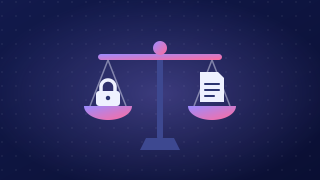
Proprietary software is owned by a person or company, and its licence brings advantages to two groups: the developer who owns it and the people who use it.
Benefits to the developer
The developer can sell the software, earning money from a one-off price or from a subscription paid regularly. Because the source code stays secret, competitors cannot read it and copy the ideas into their own product. The licence makes clear what users are not allowed to do, so the owner can take legal action against anyone who copies or shares the software without permission, protecting the developer's work and income.
Benefits to the user
Users get software that is usually well tested before release, so there are fewer faults to interrupt their work. The developer provides support, updates and security fixes, so users can ask for help and receive repairs or protection when a problem is found. Proprietary software often comes with documentation and training materials, which help users learn how to use it. Popular packages are widely used, so files created in them are likely to open correctly for other people.
Linking each benefit to the right group
| Benefit | Who gains | Why it helps |
|---|---|---|
| Selling the software | Developer | Earns money through a one-off price or subscription. |
| Secret source code | Developer | Stops competitors copying the code. |
| Legal action against copying | Developer | Protects the work and income. |
| Testing before release | User | Fewer faults when using the software. |
| Support, updates and security fixes | User | Help and repairs are available from the developer. |
| Documentation and training materials | User | Makes the software easier to learn. |
| Widely used packages | User | Files open correctly for other users. |
For example, a small team writes booking software for dance schools. The team charges each school a yearly subscription and keeps the code private, while the schools receive updates, a help guide and files that other dance schools can open.
Practise this
OCR GCSE Computer Science · Software Licences