Intellectual Property
Impact of Computers and the Internet on Intellectual Property
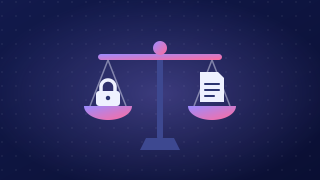
The Copyright, Designs and Patents Act 1988 gives creators control over their work, but it was written for a world of physical objects. Making a copy of a physical object takes materials, tools and time, and the copy is rarely as good as the original. A digital file can be copied exactly, instantly and for almost nothing, so the creator loses control of it once a single person has a copy.
Perfect copies at almost no cost
A designer sells a knitting pattern as a download for £4. One buyer posts the file on a craft forum and hundreds of people download it. Every copy is as clear as the original, costs nothing to make and earned the designer nothing. Knitting the jumper from the pattern by hand takes yarn, hours and skill, and the result is never quite the same twice; sending the file takes a moment.
Sharing that crosses borders
The internet lets one person send a file to thousands of others in minutes. Uploads can be anonymous, hidden behind a made-up username, and the file may pass through servers in several countries, so it can be hard to know whose law applies and who to take action against. The pattern could appear on a craft site in the evening and be downloaded in five countries before morning, and the designer may never find out because there is no stock to count and no shop to check.
Lost income for creators
Many creators earn by selling copies, so free copies spreading online mean fewer sales and less money to spend on the next design. Small makers feel this most because they have fewer other ways to earn. Copying is still breaking the law when nothing is paid for it: sharing the file without permission is not made legal by the fact that no money changes hands.
Practise this
OCR GCSE Computer Science · Intellectual Property