Impacts of digital technology on society
Digital Divide
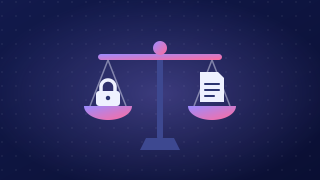
The digital divide is the gap between people who can reach technology and the internet and know how to use them, and people who are cut off from both. It is not only about being able to afford a device: someone who owns a tablet but cannot fill in an online form or spot a scam message is still on the wrong side of the gap.
What causes the gap
Cost is the most obvious cause. A laptop and a monthly broadband subscription are a regular expense, so a household on a low income may have neither, or may share one phone between several people.
- Location – what you can get depends on where you live. A block of flats may be wired for a single provider because of a deal made when it was built, so residents have no choice and pay more, while the next street can pick from three.
- Age – an older person may never have been taught to use a computer and may lack confidence, even when a device is sitting in the room.
- Disability – someone may need a screen reader, captions or a larger keyboard, and some websites are not built to work with those tools.
- Skills – using the internet well means more than tapping a screen. You need to keep passwords safe, judge whether a message is genuine and search for the information you actually want.
Why the gap matters
More and more services are moving online. Banking, applying for a job, booking a doctor's appointment and handing in homework may all assume that you have a connection and the confidence to use it. For example, three children in one household share a single phone to do their homework. Only one can use it at a time, so the other two fall behind through no fault of their own. People who are already disadvantaged are the most likely to be on the wrong side of the gap, so the divide makes existing inequalities worse: the people who would gain most from online services are the ones least able to reach them.
Practise this
OCR GCSE Computer Science · Impacts of digital technology on society