Environmental Issues
Positive Environmental Impacts
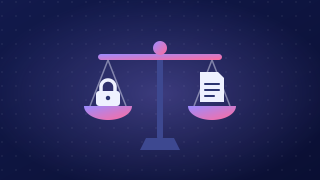
Digital technology can reduce environmental damage as well as cause it: files replace printed paper, systems run equipment only when it is needed, and sensors gather data about the natural world. Each benefit is real but limited, so it must be weighed against the harm of making, running and disposing of devices.
Less paper and less travel
Documents that were printed can be sent as files instead: a garage can email a service report, and a village hall can put its timetable online. Fewer sheets printed means fewer trees felled and less energy used at the paper mill. The saving is not complete: many people still print what they could read on screen, and digital copies sit on drives that use electricity and need cooling.
Remote working cuts travel. If a project team meets by video call, nobody drives to the meeting, so no fuel is burned and no carbon dioxide is released. Joining a class online instead of travelling to a centre does the same.
Running things more efficiently
Logistics software plans routes and loads so fewer vehicles make fewer journeys and less fuel is burned. The benefit is not automatic: if every customer expects next-day delivery, rushed half-full runs replace the tidy plan, and parcels arrive in packaging that must be manufactured and then thrown away, so the effect of deliveries overall is mixed.
Computer-controlled systems use energy only when it is needed. A smart meter shows a household what it is using, so somebody spots the heater left on and switches it off, and a sensor can slow an escalator to a crawl when nobody is riding it.
Watching and predicting
Satellites and sensors collect environmental data that nobody could gather by hand: how damp the soil is, how much pollution has leaked into a stream, or how many bats are using a cave. Computer models use that data to forecast the weather, simulate how the climate will change, and warn of hazards such as a heatwave so people can prepare.
The same evidence guides decisions: a council can compare years of animal counts to judge whether a new wildlife bridge is being used, and a government can use the figures to decide where to protect a habitat.
Practise this
OCR GCSE Computer Science · Environmental Issues