Impacts of Modern Technology on Organisations
Local and Web-Based Platforms
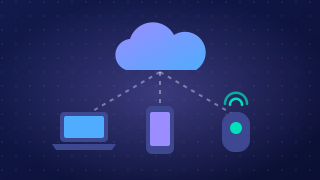
Local platforms are software systems installed on and run by an organisation's own devices. The programs and data sit on its computers, so nothing travels across the internet, which can make them respond quickly. The catch is that staff can only reach them at work, and each device needs enough storage and processing power to run the software properly.
Web-based platforms are used online through a browser. The heavy work happens on remote servers, so a device needs very little local storage or processing power, and you can log in from anywhere with a connection. The trade-off is speed: a weak connection or a rush of users can make pages slow or unresponsive.
Comparing the two
| Feature | Local platform | Web-based platform |
|---|---|---|
| Where it runs | On the organisation's own devices | On remote servers, over the internet |
| Where you can use it | Mainly at the workplace | Anywhere with a connection |
| Speed | Often fast, no internet delay | Depends on connection and demand |
| Local demands | Storage and processing power | Little; a browser and a connection |
| If it fails | Only the device that fails | Many users can lose access at once |
A small hotel could keep its booking program on the reception computer, so check-in stays instant even when the internet drops. A web-based booking service lets guests reserve rooms from anywhere, but slows down when the Wi-Fi is weak.
What each demands from infrastructure
Choosing a platform places demands on the organisation's infrastructure. Web-based tools need a reliable internet connection, enough bandwidth for everyone using them at once, and servers that cope at busy times. Local tools need device storage, memory and processor power. Each suits different work.
When infrastructure fails
The infrastructure has to be there when it is needed. An outage, a dropped connection or too many users can stop messages getting through, halt sales and lock people out of data. Organisations may keep a contingency plan, such as a backup system or a way of working offline, so essential tasks carry on, especially where a service runs around the clock or staff work away from the premises.
Practise this
Pearson BTEC Digital Information Technology · Impacts of modern technology on organisations