Impact of Modern Technologies
Digital communication
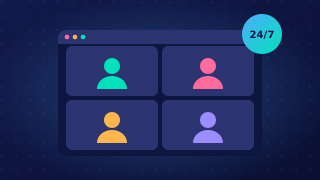
Digital communication is the electronic exchange of messages or information. It covers anything sent as data rather than on paper or face to face, such as email, instant messaging, video calls and documents that several people edit online at the same time.
Faster communication
A message can reach a colleague, supplier or customer in seconds, so decisions happen the same day instead of waiting for a letter or a return phone call. A small joinery firm can email a quote to a customer in the morning and have the job confirmed by the afternoon, so the work is booked in and the money comes in sooner. Quick answers also sort out problems before they grow, such as a café emailing its supplier about a short delivery while the driver is still nearby.
Working together from different places
People who work in different branches, from home or in different countries can still work as a team. Files stored online can be viewed and updated by everyone, video calls let a group talk face to face on screen, and messages can be read when each person is free, which matters when colleagues are in different time zones. For example, a furniture workshop in Leeds can discuss a design with a fabric supplier overseas without either person leaving their workplace.
Lower communication and travel costs
Email and messaging apps usually cost nothing extra to send beyond the internet connection the business already pays for, so less is spent on printing, postage and paper. Video calls replace some journeys altogether, saving fares, fuel and hotels, plus the wages paid for hours staff would otherwise spend travelling. A garden design business that meets a client by video call instead of driving two hours each way saves the fuel and gains several hours of paid work.
Practise this
Edexcel GCSE Business · 1.5.2 Technology and business